Keeping Minds Sharp: Crafting for Senior Cognitive Health
As we age, keeping our minds active and engaged is just as important as staying physically fit. Finding enjoyable activities that challenge the brain can make a significant difference in our cognitive well-being. One powerful and rewarding way to do this is through crafting. Beyond creating beautiful items, activities like knitting, painting, and woodworking offer profound benefits for memory, focus, and overall mental sharpness.
Engaging in a creative hobby does more than just pass the time. It stimulates neural pathways, improves dexterity, and provides a deep sense of purpose. This post will explore the remarkable cognitive benefits of crafting for seniors, highlighting how these activities can enhance mental functions and emotional health. We will look at how a simple hobby can become a key part of a healthy, fulfilling lifestyle.
The Brain on Crafting: A Cognitive Boost
When you engage in a craft, your brain is doing a lot more than you might realize. It’s a full mental workout that involves planning, execution, and problem-solving. This stimulation is crucial for maintaining and even improving cognitive functions as we get older.
Improving Memory and Recall
Crafting activities often require following patterns, remembering sequences, and recalling specific techniques. Think about a knitter following a complex pattern or a woodworker measuring and cutting pieces for a project. These tasks require both short-term and long-term memory.
Each step you take—from remembering which color comes next in a quilt to recalling the right brushstroke for a painting—strengthens the neural connections related to memory. Consistent engagement in these activities can help slow down age-related memory decline and keep recall abilities sharp. It’s like exercise for the part of your brain that stores and retrieves information.
Enhancing Focus and Concentration
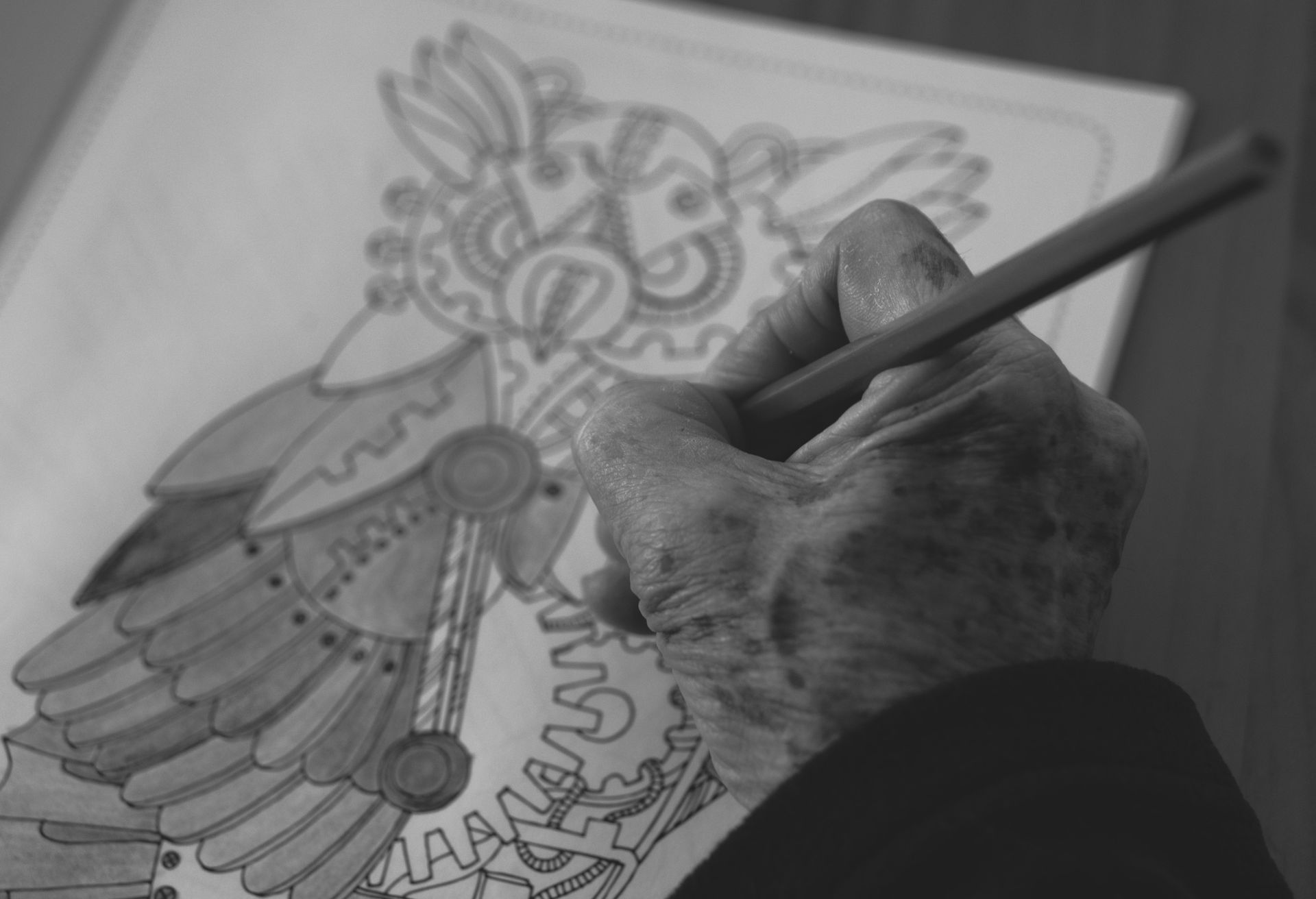
In a world full of distractions, the ability to concentrate on a single task is a valuable skill. Crafting demands sustained attention. Whether you are carefully placing mosaic tiles, focusing on a pottery wheel, or drawing a detailed sketch, you are training your brain to focus.
This practice of deep concentration can translate into other areas of life, helping you stay focused on conversations, reading, or other daily tasks. The rhythmic, repetitive motions found in many crafts, such as knitting or crocheting, can also induce a state of "flow." This is a meditative-like state where you are fully immersed in the activity, which can reduce stress and improve your ability to concentrate for extended periods.
Strengthening Problem-Solving Skills
Few craft projects go exactly as planned from start to finish. A knitter might drop a stitch, a painter might mix the wrong color, or a piece of wood might split unexpectedly. These small challenges are actually opportunities for cognitive growth.
Successfully navigating these hurdles requires creative thinking and problem-solving. You learn to assess the situation, consider different solutions, and adapt your plan. This process strengthens the brain's executive functions, which are responsible for planning, organizing, and flexible thinking. Regularly exercising these skills through crafting can help maintain your ability to tackle everyday problems with confidence and creativity.
More Than a Hobby: Emotional and Social Well-being
The benefits of crafting extend well beyond cognitive improvements. Engaging in creative pursuits has a powerful positive impact on emotional health and social connection, which are intrinsically linked to mental well-being.
Fostering a Sense of Accomplishment
Completing a project, no matter how small, provides a tangible sense of accomplishment and pride. Holding a finished scarf, a painted canvas, or a handcrafted birdhouse in your hands is a powerful reminder of your skill and dedication. This boosts self-esteem and provides a feeling of purpose.
This sense of achievement is especially important for seniors, who may be transitioning away from careers or other roles. Crafting offers a new avenue for productivity and self-expression, reinforcing a positive self-image and combating feelings of idleness.
Reducing Stress and Anxiety
The repetitive and focused nature of many crafts is incredibly calming. Activities like knitting, weaving, and painting can lower heart rate, reduce blood pressure, and decrease levels of the stress hormone cortisol. The simple act of creating something with your hands can be a powerful form of mindfulness, pulling your focus away from worries and into the present moment.
By providing a healthy outlet for stress, crafting can help reduce symptoms of anxiety and depression. It offers a quiet, peaceful escape where you can relax and recharge your mind.
Combating Isolation and Building Community
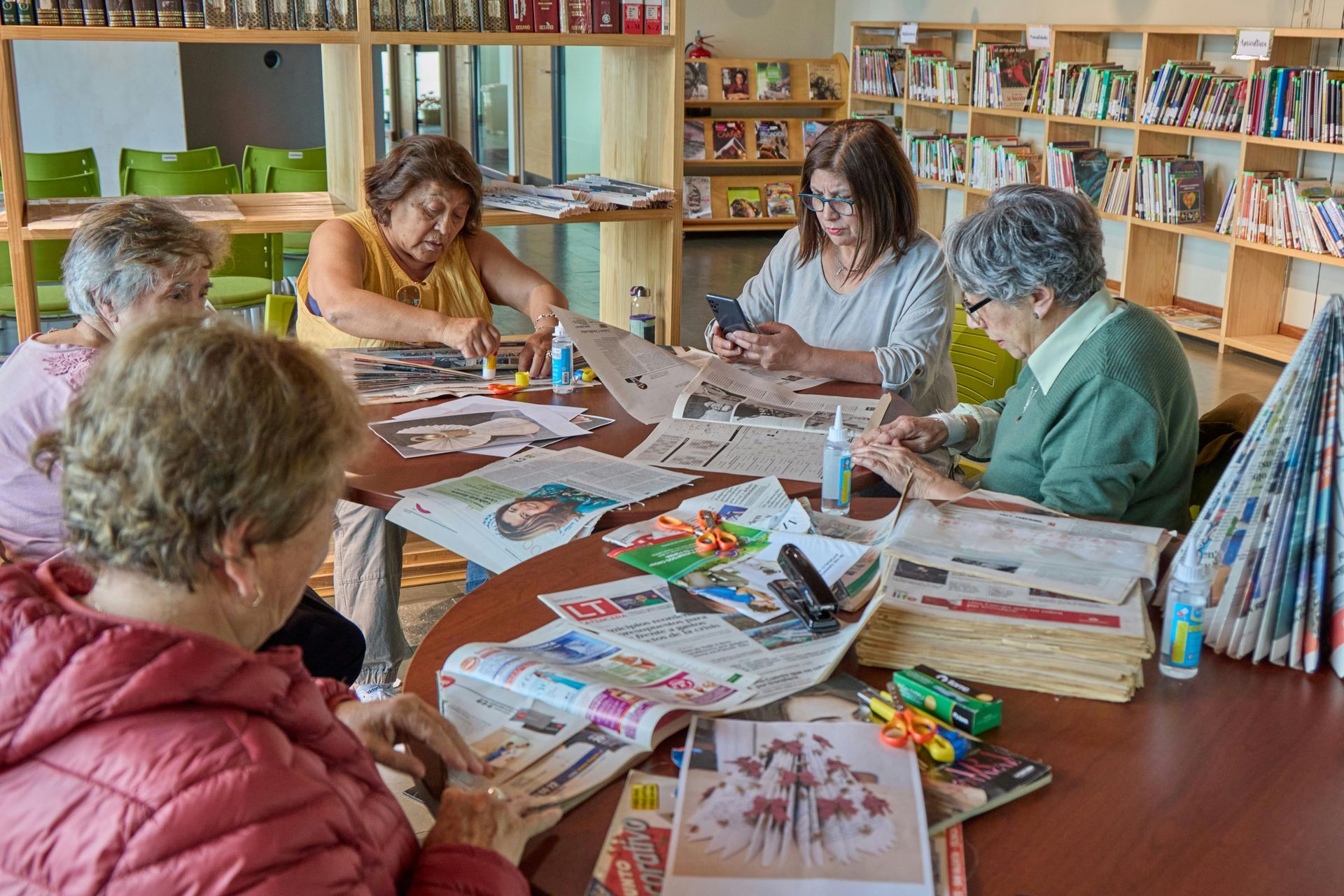
While crafting can be a solitary activity, it also opens doors to social connection. Joining a crafting group, a knitting circle, or a local art class is a wonderful way to meet people who share your interests. These groups provide a supportive environment for learning, sharing ideas, and building friendships.
For seniors who may experience feelings of loneliness or isolation, these social connections are vital. Sharing your creative journey with others fosters a sense of belonging and community, which is essential for both emotional and cognitive health.
Getting Started with Crafting
The beauty of crafting is that there is an activity for every interest and ability level. You don’t need to be a natural artist to reap the benefits. Here are a few popular options:
● Knitting and Crocheting: These classic crafts are known for their calming, rhythmic motions. They are great for improving fine motor skills and concentration.
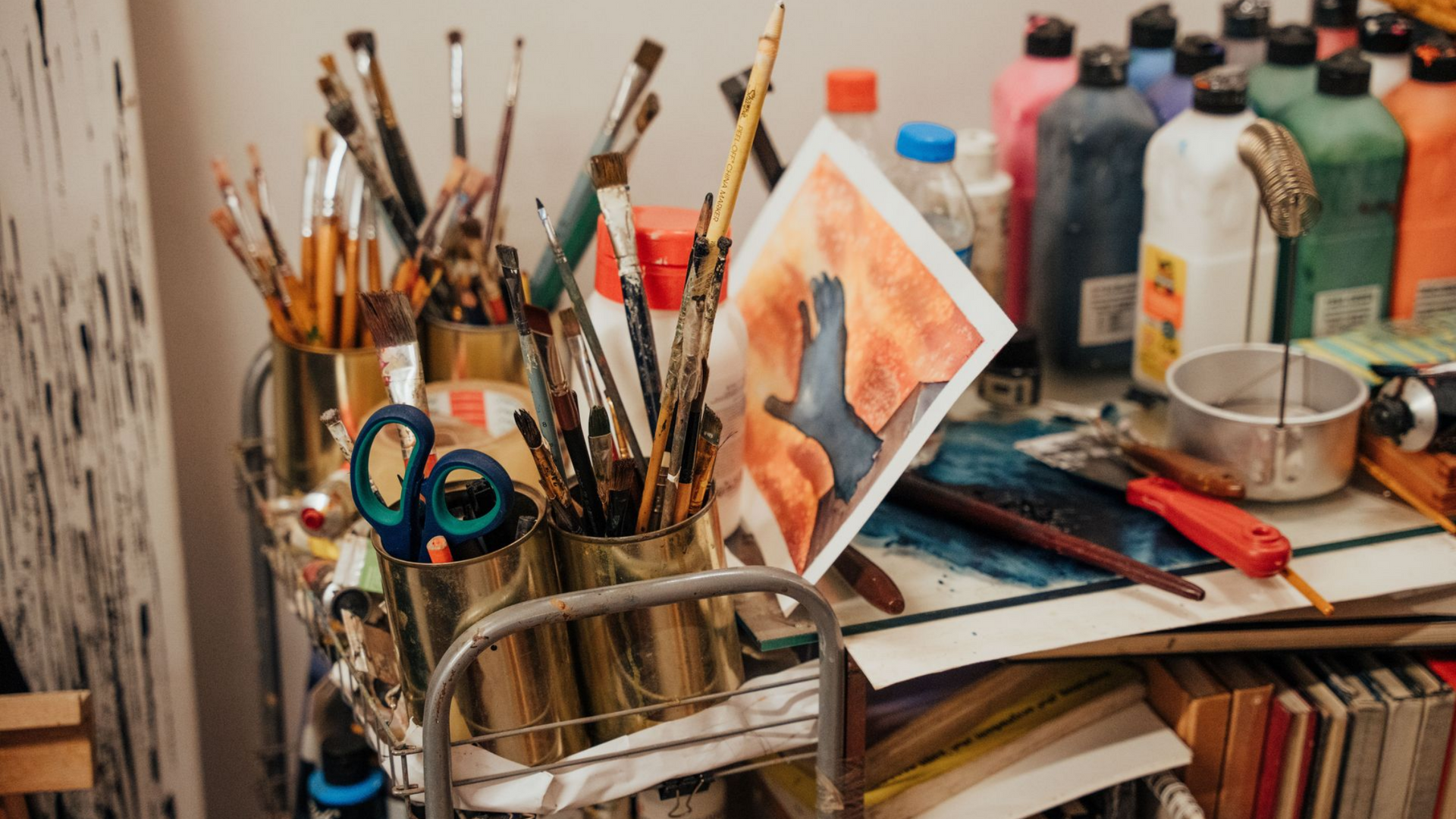
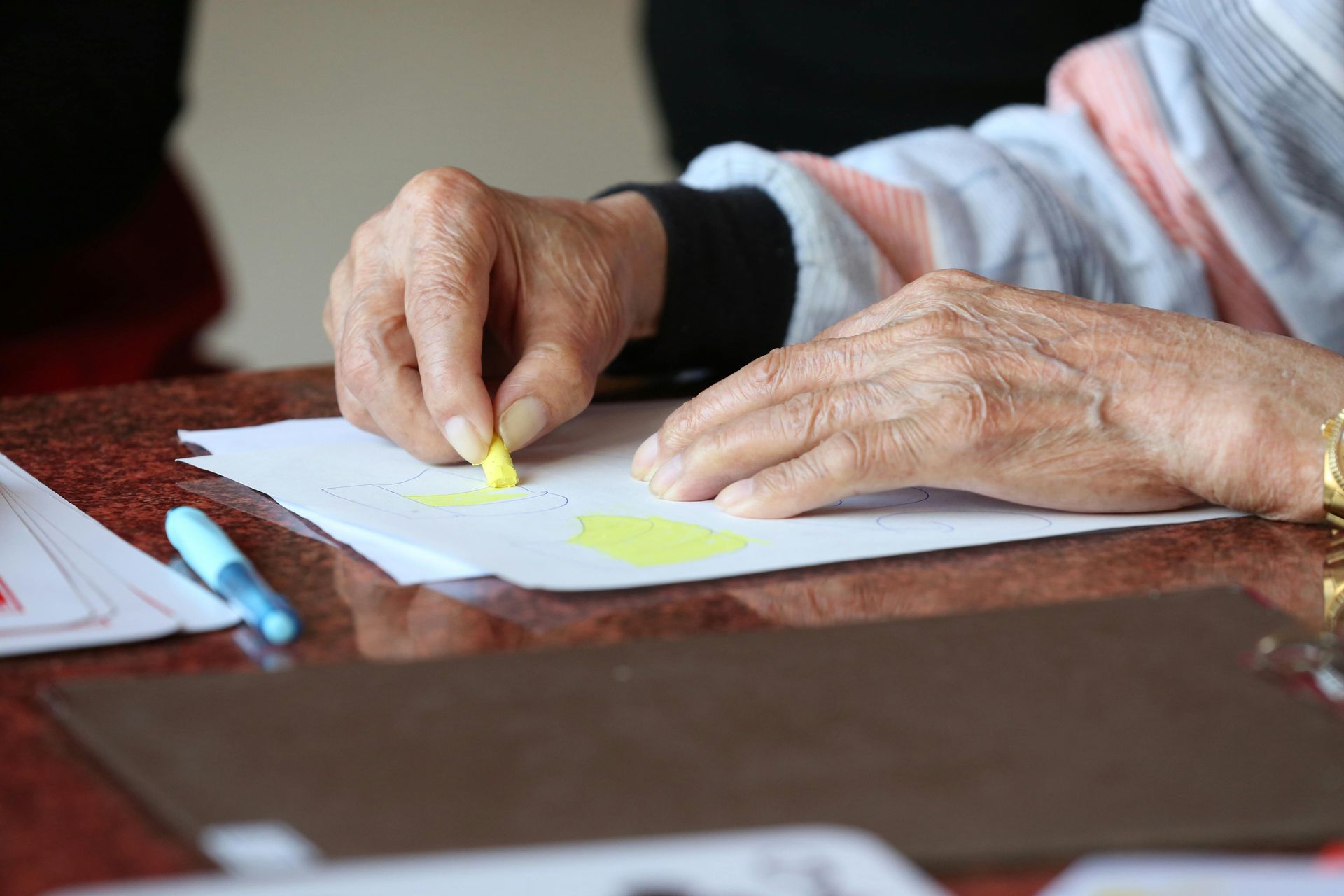
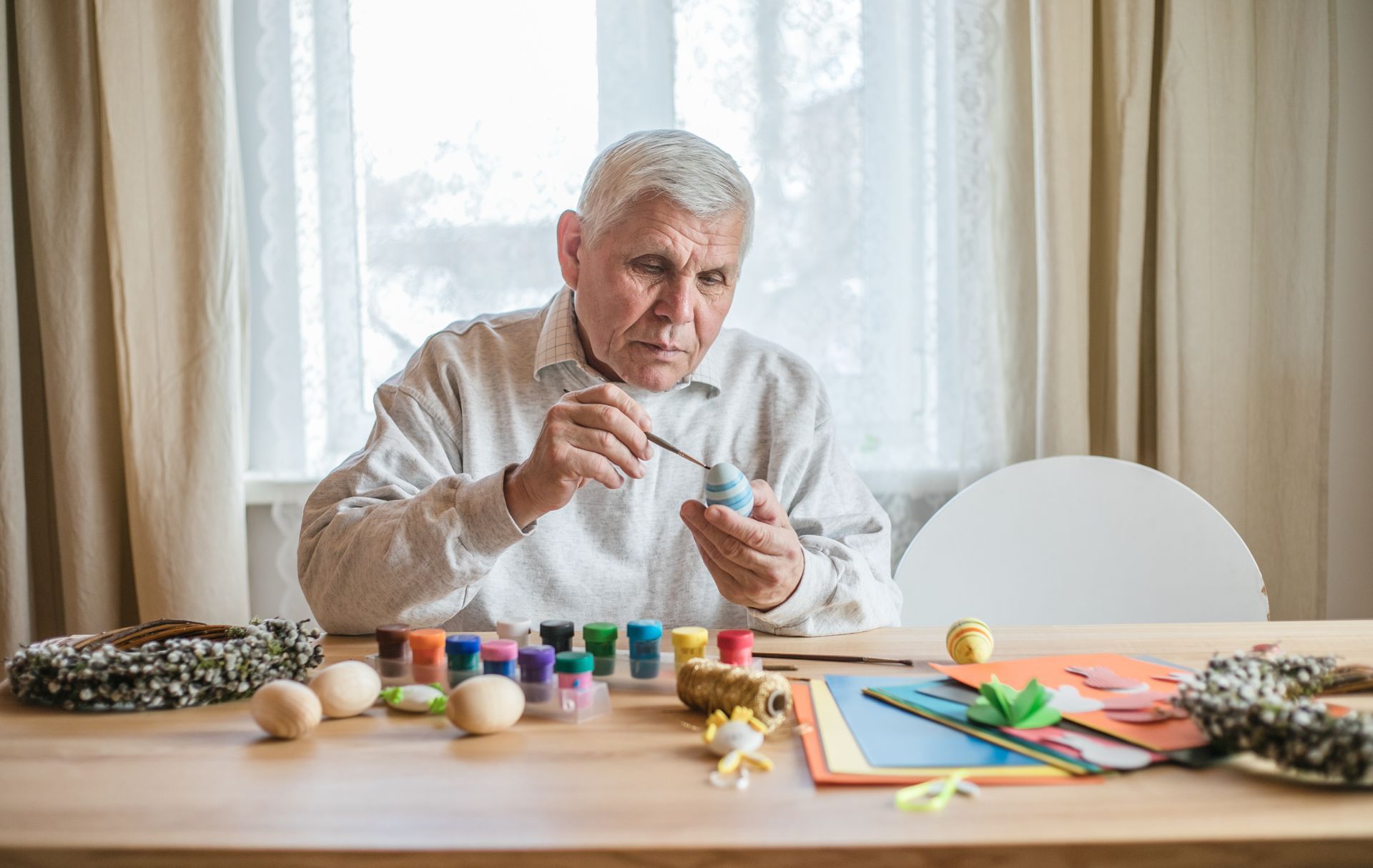
● Painting and Drawing: Whether with watercolors, acrylics, or simple pencils, these activities encourage creativity and attention to detail.
● Woodworking: For those who enjoy working with their hands on a larger scale, woodworking can be a highly rewarding hobby that involves planning, precision, and problem-solving.
● Pottery and Ceramics: Shaping clay is a tactile and therapeutic experience that enhances focus and provides a great sense of accomplishment.
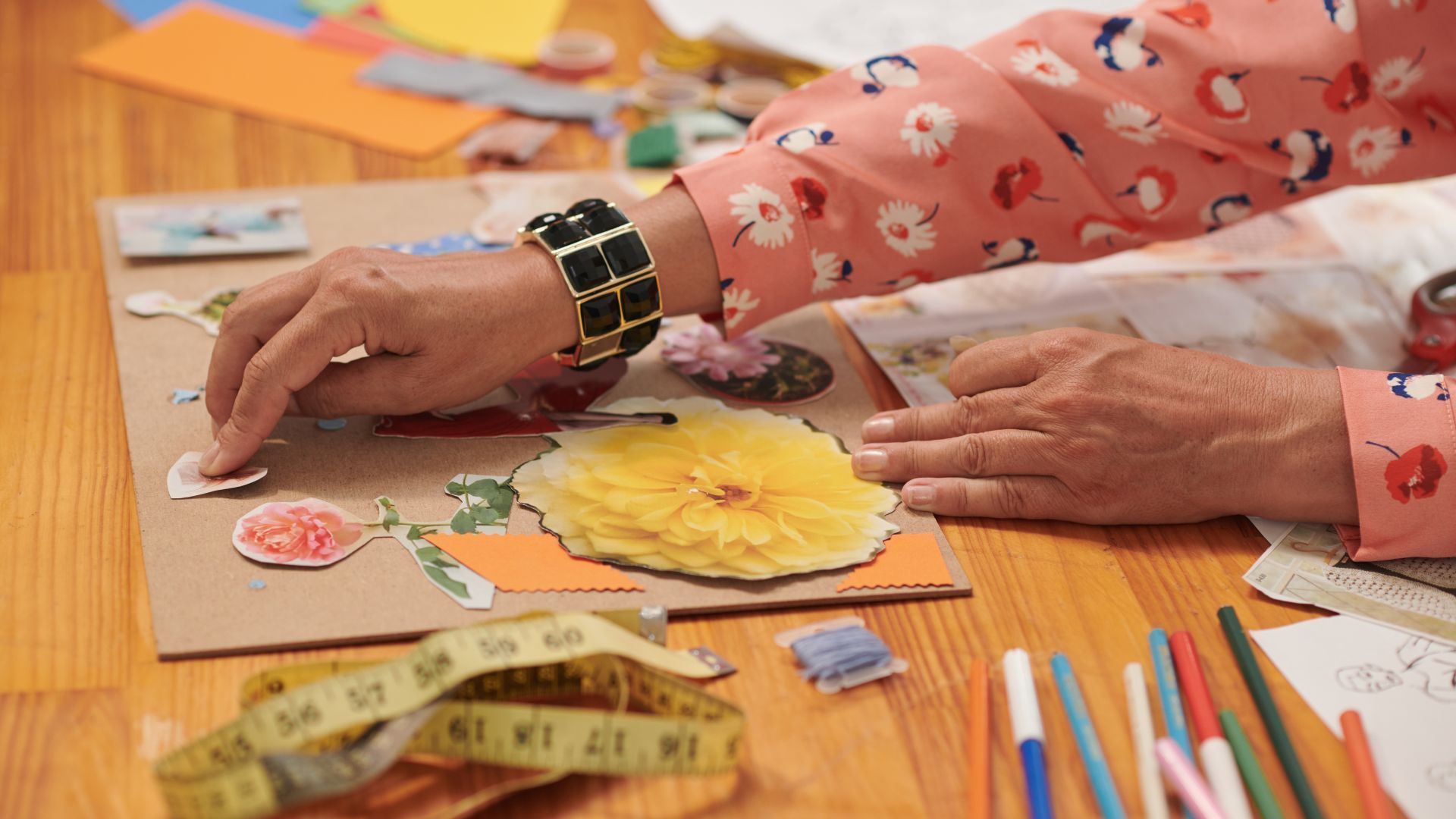
● Scrapbooking: This craft helps organize memories and tell personal stories, directly engaging memory and creativity.
Embrace Your Creativity for a Healthier Mind
Crafting is a joyful and accessible way for seniors to invest in their cognitive health. It provides a unique combination of mental stimulation, emotional satisfaction, and social opportunity. By challenging your brain with new skills, you can improve memory, sharpen your focus, and enhance your problem-solving abilities.
If you're looking for a way to keep your mind active and your spirits high, consider picking up a new craft. Explore different options, find what you love, and start creating. Your brain will thank you for it.